It’s 2026, and my anxiety started in 1986. This year marks 40 years of being medication-free. My struggle with anxiety has been hard, but what’s been harder is supporting my daughter through hers.
We started seeing signs of anxiety in her when she was 3 years old, and it progressed as she got older. School drop-offs became really bad and one of the hardest challenges. There were mornings she’d sit in the hallway and refuse to go into class, or cry and reach out to me as the principal pulled her away to get her to her class. It broke my heart every time. My wife isn’t as “soft” as me, and had easier times dropping her off, but I’m the one that usually drops her off at school. When she cries and reaches out for me, it takes me back to me being in her shoes. I remember doing the same thing at her age.
Kindergarten through 4th grade was rough. Some mornings felt like a small battle just to get her into the school.
Over the years, we tried a lot of things to help her feel safe:
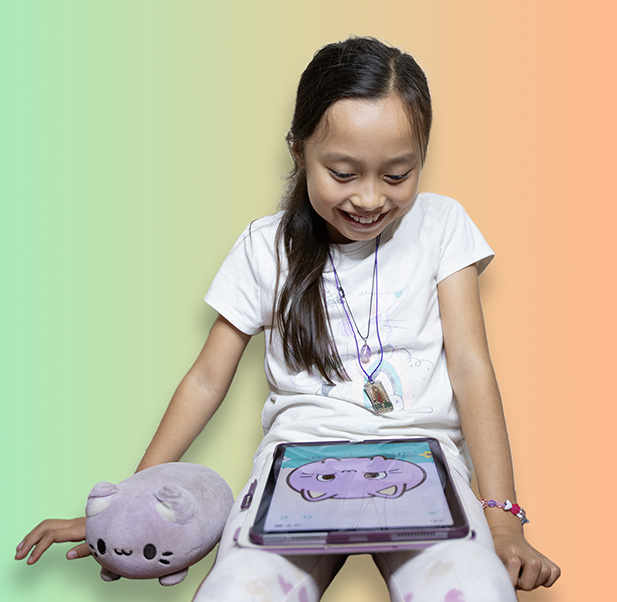
- Her favorite stuffed animal. Something familiar and soft to hold onto during the parts of the day that felt overwhelming.
- A photo of us. A small picture of her parents she could keep in her pocket or backpack, something tangible to remind her we weren’t far.
- erly. A tool that’s helped her feel a little more connected and grounded during the day. (Full disclosure: I’m a co-founder of erly, but we started using it with her the same way we tried everything else, looking for anything that might help.)
Some of these worked better on some days than others. Anxiety isn’t something that responds the same way every time, and what helps one week might not land the next. That’s part of what makes supporting a child with anxiety so exhausting, you’re never quite sure what tool she’ll need until she needs it.
She just started 5th grade, and had a rough day in her second week. But this time felt different. On the last day of 4th grade, we sat down with her school for a 504 plan meeting, going over what triggers her, what helps her regulate, and what the right accommodations look like. Coming into 5th grade, we had an actual plan in place, one the school had already approved and understood.
If you’re a parent navigating something similar, a few things I’d pass along:
- Start the 504 conversation early, ideally before the new school year starts, not after something happens. This way the school has a legal document in place.
- Keep a running list of what works and what doesn’t. You’ll forget details under stress, and schools want specifics. Try to keep tabs of what you have tried.
- Try more than one thing. What comforts your child might be a mix of the tangible (a stuffed animal, a photo) and something more structured.
There are still good days and hard days. One thing that’s made a difference is keeping her engaged and connected, whether that’s a family walk, taking her out on drives to see new places, playing with her, having her friends over, or our weekly routine of going to church together every Sunday. That, along with erly, has given her more confidence.
Forty years into my own journey with anxiety, I’ve learned it never fully goes away, you just get better tools for carrying it. I’m hoping the same will be true for her, and that sharing our story helps another parent feel a little less alone in theirs.
If you’re a parent looking for more support, erly is currently in beta, and we’re offering free access to families who want to help us build a product that’s genuinely useful for kids and parents navigating anxiety. If that’s you, you can join the beta at erly.io. Erly was built for my daughter initially, and seeing how other kids were facing the same issues as my daughter, we wanted to build something that can really help our kids. A lot of the time our children hold feelings inside because they don’t know how to express themselves. Now, we can understand them better and we can share information with their care teams, so when they do go to their appointments time isn’t wasted trying to dig and pull information from our children. The clinicians will have what they need.
If you want another parent to talk to who can relate, please reach out to me. My personal experience, and now supporting my daughter has taught me a lot. I’m not a doctor, therapist, or psychologist but over the years I have talked to many people about anxiety, and have been able to help. You’re not alone. I’m here. Please reach out.